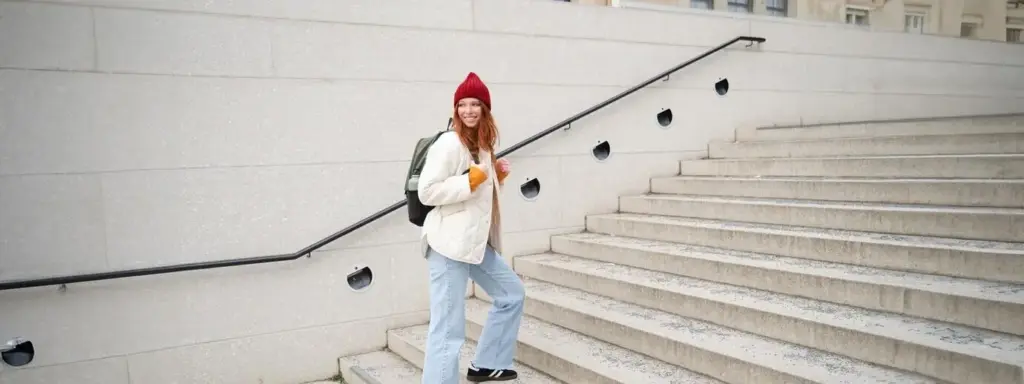
Make Every Five Minutes Count: Campus Micro‑Networking That Sparks Opportunity

Today we explore Micro‑Networking: Building Campus Connections in Under Five Minutes, a practical, human approach to turning tiny windows of time into meaningful introductions, shared resources, and future collaborations. Using simple scripts, warm curiosity, and respectful exits, you will learn how to meet classmates, faculty, and staff without awkward pressure, even between classes or while waiting for coffee. Expect actionable playbooks, relatable stories, and small challenges that fit busy schedules, helping you start conversations, follow up quickly, and keep momentum with genuine kindness.

Why Tiny Conversations Create Outsized Opportunity

The Science of Weak Ties on a Quad

From Granovetter’s classic research to modern campus studies, weak ties often carry novel information faster than close friends. A quick introduction in the library line can reveal a lab opening, study group, or hidden funding. You are not building depth in five minutes; you are planting markers of trust, curiosity, and availability that invite future depth. Repeating these moments across varied contexts diversifies opportunities without exhausting your energy.

Confidence Without Perfection

From Granovetter’s classic research to modern campus studies, weak ties often carry novel information faster than close friends. A quick introduction in the library line can reveal a lab opening, study group, or hidden funding. You are not building depth in five minutes; you are planting markers of trust, curiosity, and availability that invite future depth. Repeating these moments across varied contexts diversifies opportunities without exhausting your energy.

Reciprocity in Sixty Seconds

From Granovetter’s classic research to modern campus studies, weak ties often carry novel information faster than close friends. A quick introduction in the library line can reveal a lab opening, study group, or hidden funding. You are not building depth in five minutes; you are planting markers of trust, curiosity, and availability that invite future depth. Repeating these moments across varied contexts diversifies opportunities without exhausting your energy.

Observe, Name, Bridge

Open with the room, not yourself. “I love that dataset sticker—are you in the methods seminar?” You acknowledge a visible cue, then bridge it to a shared context or question. This quickly invites a yes, a correction, or a story. Keep sentences short, voice warm, and volume considerate. If nothing stands out, reference time: “That line moved fast!” The goal is friendly relevance within seconds, not witty performance.

Make the Ask Micro

Requests should be easy to approve instantly. Offer two tiny options: “Could I send you that tutorial?” or “Would you like to swap study tips?” Avoid bulky commitments. Under five minutes, clarity beats charisma. Align requests with mutual benefit, avoid over‑explaining, and give an effortless out: “No worries if you are racing to class.” People respect concise kindness and often mirror it with quick yeses or helpful redirections.

Finding Micro‑Moments Across Campus

You do not need parties or panels to meet people. Micro‑moments hide in lines, shuttles, elevators, printers, study rooms, maker spaces, rec centers, dining halls, stairwells, and walk‑and‑talk commutes. Seize transitions: before class begins, when a projector buffers, as a professor sets up. Respect context—whisper in quiet spaces, keep it breezy outdoors, and match pace while walking. Small environmental awareness prevents friction and amplifies friendliness.

Specific Compliments Beat Generic Greetings

Instead of “Nice presentation,” try “Your explanation of gradient descent clicked because of the parking‑lot analogy; did you learn that from a labmate?” You honor effort and invite a story. Compliments should be observable, recent, and linked to purpose. Avoid remarks about bodies or clothing fit; aim for work, ideas, or contributions. Precision keeps praise from feeling performative and creates a bridge to meaningful, short collaboration.

Questions That Earn Real Answers

Swap “What do you do?” for “What are you curious about this month?” Smaller questions land faster: “Which week is roughest in this course?” or “What resource saved you lately?” Calibrate depth to context. Respect boundaries; if someone pauses, pivot or release. Questions that acknowledge time—“One minute before lab starts”—invite concise nuggets, not life stories, and still produce memorable connection points you can reference during follow‑up.

Fast, Friendly Digital Touches

Draft message templates you can personalize rapidly. Example: “Great speaking by the printers—here’s the lab signup link we mentioned. Rooting for your midterm!” Mention place or moment to jog memory, add the promised item, and end with encouragement. Avoid open‑ended questions unless you have bandwidth. Emojis are optional; clarity and kindness are mandatory. The goal is usefulness, not inbox theater, delivered within minutes while the encounter feels vivid.

Analog Tricks for Remembering People

Carry a small card where you jot the person’s name, a distinguishing detail, and promised follow‑ups. Snap a photo of the card next to the context—whiteboard, doorway, or flyer—to anchor memory. Later, tag notes by course, building, or interest cluster. These tiny practices turn chance introductions into a navigable map of campus relationships, preventing forgotten commitments and making reunions delightfully easy rather than awkward guesswork.

Practice Plans, Challenges, and Wins

Skills grow fastest with low‑pressure repetition and visible progress. Adopt a one‑conversation‑per‑day habit, track it in a playful streak counter, and celebrate tiny wins. Pair with a friend for accountability, swap openers, and debrief awkward moments with humor. We will share a seven‑day plan you can start tonight, plus ways to involve clubs, RA teams, or study groups. Share your streak and invite others.

The Seven‑Day Five‑Minute Sprint

Day one, greet someone in a line. Day two, ask a situational question after class. Day three, share a resource. Day four, visit office hours for ninety seconds. Day five, follow up digitally. Day six, invite a micro‑study huddle. Day seven, reflect and post a win in our comments or group chat. Each step takes under five minutes and builds muscles for noticing, asking, offering, exiting, and returning.

Track, Reflect, and Iterate

Use a tiny journal prompt: Who, where, one takeaway, next touch. Over time, patterns emerge—maybe shuttles are gold for you, or makerspaces spark deeper chats. Adjust tactics accordingly. Celebrate attempts, not perfect outcomes, and keep your streak forgiving. Missed a day? Restart immediately. Growth accelerates when you combine compassionate self‑review with specific adjustments, like trying a new opener or choosing quieter corners where voices carry comfortably.

Invite Others and Grow the Circle

Micro‑networking scales through shared practice. Form a small accountability pod, set weekly micro‑goals, and rotate easy roles: opener, closer, documenter. Share scripts, uplift shy members, and trade honest feedback. Organize a five‑minute meet‑cute session before club meetings or after lectures. Finally, tell us what worked by commenting or messaging, so we can feature your tactics, celebrate your wins, and inspire new students to join.

Remolonafuzixolela
Privacy Overview

This website uses cookies so that we can provide you with the best user experience possible. Cookie information is stored in your browser and performs functions such as recognising you when you return to our website and helping our team to understand which sections of the website you find most interesting and useful.